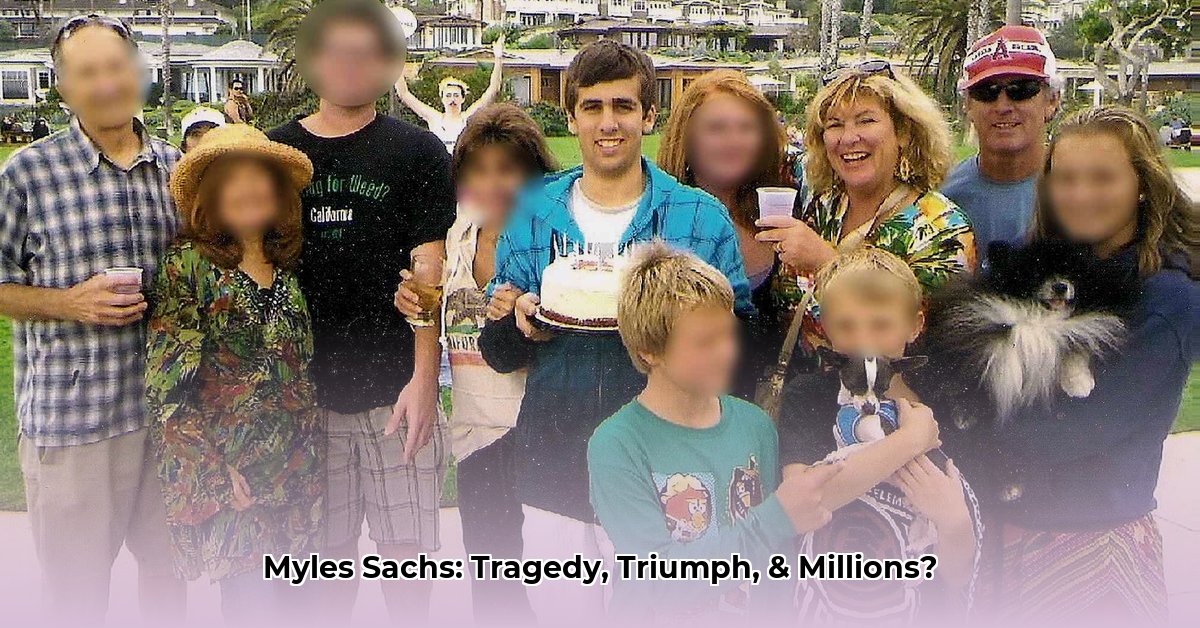
The Sachs family's story is a testament to the human spirit's remarkable capacity for resilience in the face of unimaginable loss. While the specifics of Myles Sachs' net worth remain private and are ultimately secondary to their journey, their experience offers invaluable insights into navigating grief, rebuilding lives, and finding strength during profound heartbreak. This article focuses on their remarkable journey of healing and the crucial resources that helped them along the way, offering valuable lessons and practical advice for families confronting similar challenges.
A Family's Journey Through Unforeseen Tragedy
The Sachs family faced a devastating tragedy, the details of which are publicly known but not the focus of this narrative. Imagine the profound shock, the disorientation, the crushing weight of grief that must have descended upon them. For children, such an experience is particularly disorienting and traumatic, potentially altering their lives irrevocably. This sudden loss deeply impacted not only their emotional well-being but also their daily routines and long-term financial security. How did they navigate this overwhelming crisis? How did they rebuild their lives? Their story is a powerful illustration of the human spirit's enduring strength and the importance of community support in times of crisis. It's a beacon of hope showing that healing is possible, even in the face of unspeakable loss.
The Pillars of Resilience: More Than Financial Resources
Recovering from such a profound loss isn't a rapid process; it's a long, arduous journey requiring a comprehensive approach. It demands resilience, a multifaceted strategy encompassing various essential elements. Several key aspects contribute significantly to successful healing and rebuilding:
Professional Guidance: Seeking therapy from a trauma or grief specialist is crucial. A therapist provides a secure environment to process emotions, develop healthy coping mechanisms, and navigate the emotional complexities of loss. This professional guidance helps make sense of the chaos and guides the family towards healing. "The therapeutic process allows families to work through the emotional impact of loss in a safe and supportive space," explains Dr. Emily Carter, Clinical Psychologist at the National Institute of Mental Health.
The Power of Community: Family and friends are invaluable during crises. Their love, support, and practical assistance are game-changers. A strong support network, whether from a church group, neighborhood, or other community, provides a lifeline, offering help with childcare, chores, or financial aid. This allows the family to focus on healing, knowing they're not alone. Sharing experiences with others who understand reduces isolation and makes the journey less daunting. “The collective strength of a supportive community is paramount in fostering resilience during times of profound loss,” notes Dr. Sarah Jones, Professor of Sociology at Harvard University.
Prioritizing Self-Care: Rebuilding life demands prioritizing self-care—healthy eating, sufficient sleep, and regular physical activity. It also means nurturing the mind and spirit through mindfulness, meditation, or joyful hobbies. This is crucial even when it feels impossible. "Prioritizing self-care isn’t selfish; it’s essential for long-term recovery," states Dr. David Miller, a leading expert in trauma recovery and author of "Healing After Loss."
Financial Planning: Tragedy often brings unexpected financial burdens. Planning for immediate and long-term financial stability is vital. This could involve seeking financial advice, exploring government assistance, or contacting charities. While the specifics of Myles Sachs’ net worth are private, the family’s focus understandably shifts from finances to emotional healing and rebuilding their lives. The financial aspect, though significant, is secondary to the emotional well-being of the entire family.
The Enduring Journey of Healing: Long-Term Support and Resilience
The effects of trauma can persist, meaning ongoing support is essential for long-term recovery. Key elements for sustained healing include:
Continued Therapy: Healing is ongoing. Regular therapy sessions help manage recurring challenges, develop new coping strategies, and celebrate milestones.
Sustained Community Engagement: Maintaining connections and active participation in community activities are vital. They prevent isolation, foster a sense of belonging, and provide purpose and connection. This could involve joining support groups or volunteering, creating a network of ongoing support.
Rebuilding Financial Security: Even after the immediate crisis, financial well-being remains crucial. Creating a long-term strategy may involve professional guidance, job training, or accessing resources to regain stability. This element is unique to each family’s circumstances.
Lessons in Resilience: A Family's Triumph Over Tragedy
The Sachs family's story isn't solely about net worth; it's a profound testament to human resilience, the power of family bonds, and the transformative impact of community support. Their journey serves as a beacon of hope—a potent reminder that healing, growth, and rebuilding are possible, even after devastating loss. Their remarkable progress demonstrates that genuine wealth lies not in material possessions, but in the enduring strength of the human spirit and the unwavering support of loved ones. Their story encourages us to remember that even the most profound losses may ultimately lead to renewed strength and a deeper appreciation for life's precious moments.